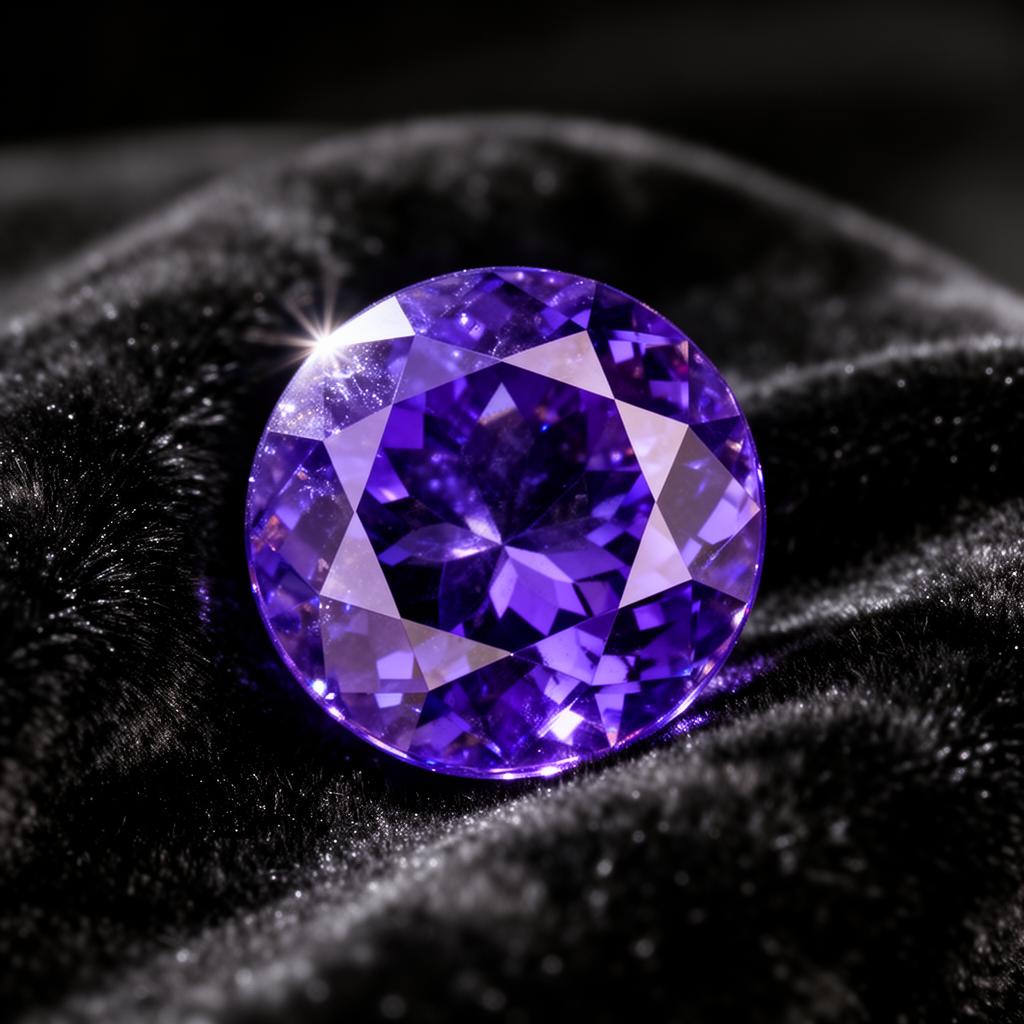
One Hill in Tanzania — and Nowhere Else
In 1967, a Maasai herder named Ali Juuyawatu was walking through the Mererani (Mirerani) Hills in northern Tanzania, just south of Mount Kilimanjaro, when he noticed something strange. A piece of ground had been scorched by a recent lightning-set bushfire, and lying in the ash were brownish crystals that had transformed into a shimmering violet-blue. He showed them to a local prospector, Manuel d'Souza, who thought he'd struck sapphire.
He hadn't. Tests at the Gemological Institute of America confirmed it was a brand-new gem variety of the mineral zoisite — and that the entire known deposit was confined to a single strip of ground roughly 4 km long and 2 km wide in the Mirerani area. Tiffany & Co. became the global launch partner in 1968 and named it tanzanite, after the country.
"You can mine sapphires in Sri Lanka, Madagascar or Australia. You can only mine tanzanite in one valley — Mirerani — beneath one mountain, in one country. Full stop."
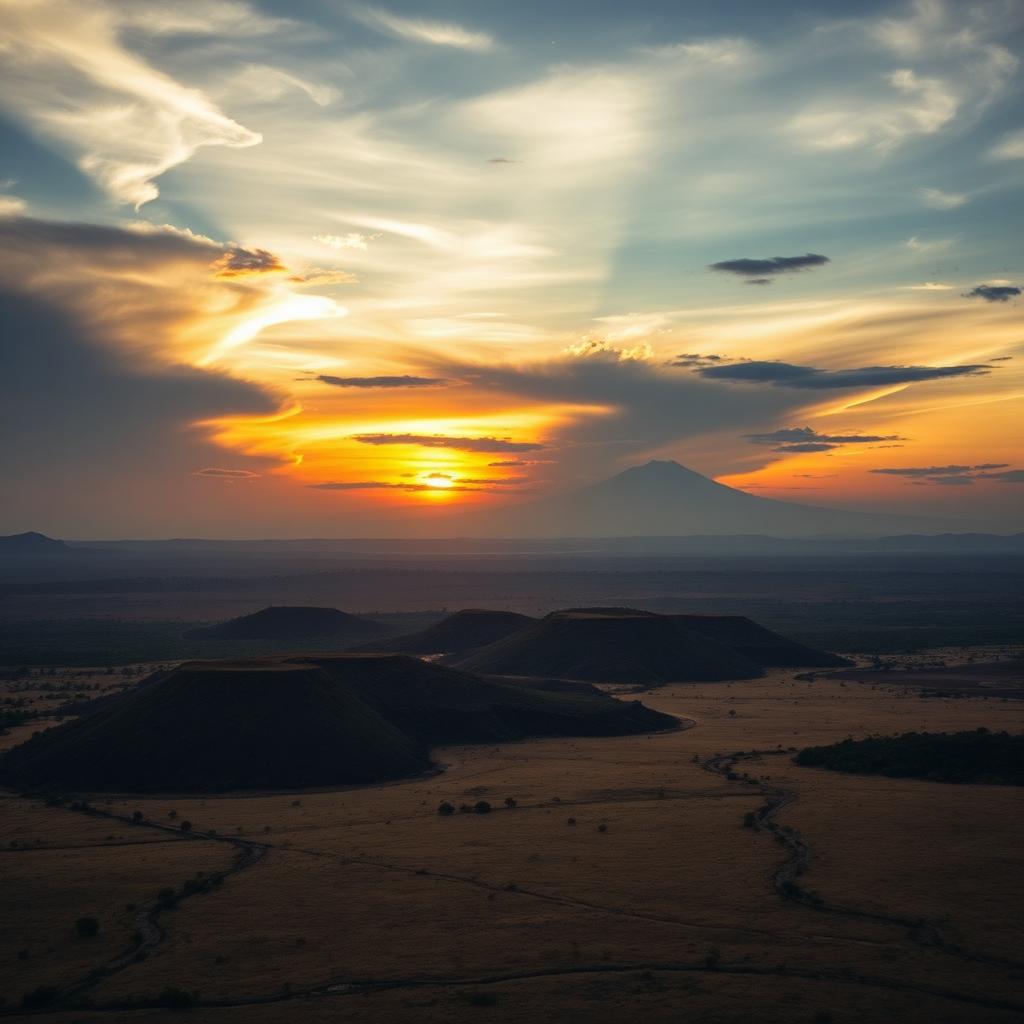
The Mirerani (Mererani) Hills, Simanjiro District — the only tanzanite source on the planet, with Mount Kilimanjaro on the horizon.
Three Colours, One Crystal
Tanzanite is pleochroic, which is a long word for an amazing party trick: depending on the angle you view it, the same crystal flashes deep blue, royal violet, or burgundy red. Cutters in Arusha and Jaipur spend years learning how to orient a rough stone so that the finished gem shows the prized "AAA velvet blue" face-up.
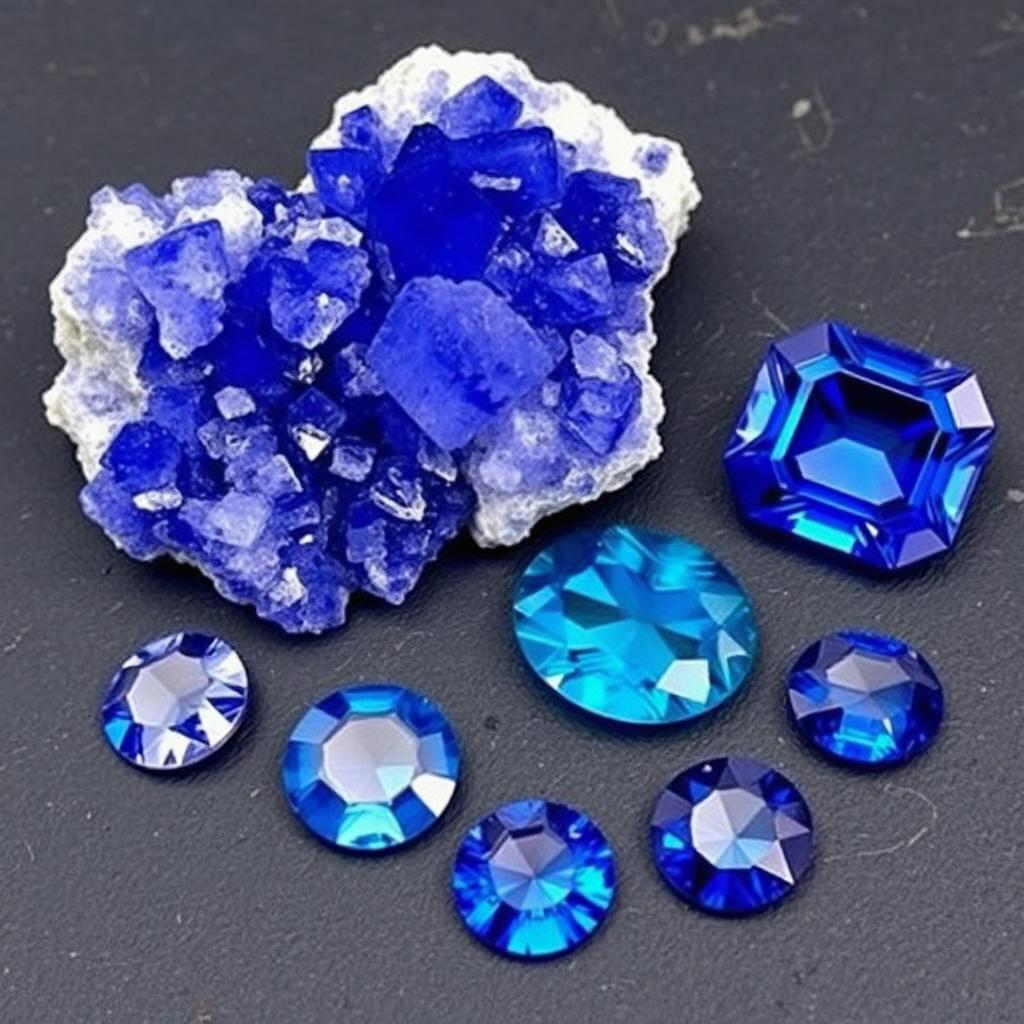
Rough tanzanite (left) is naturally brownish — gentle heat treatment unlocks the famous violet-blue colour (right).
What a Tanzanite Actually Costs
Tanzanite is priced by colour grade and carat — not by clarity alone. The deeper and more saturated the violet-blue (graded D-block or "AAA"), the higher the price climbs. A small commercial stone might sell for under $100 per carat, while top investment-grade material can fetch $1,200+ per carat at retail. Larger stones (5 ct+) jump exponentially because the rough they require has become genuinely scarce.
Tanzanite retail price per carat by colour grade (USD)
Approximate 2024 market estimates · 1-carat clean cut stones · Source: trade aggregates
Tanzania's tanzanite exports — official revenue
USD millions · 2018–2024 · Source: Tanzania Mining Commission & Bank of Tanzania reports
Tanzania introduced the famous Mererani Wall in 2018 — a 24-km perimeter fence with cameras and CCTV around the entire mining block — to stop smuggling. Official exports jumped almost overnight from a reported $33M to over $100M, lifting tax revenue and royalty income for the government dramatically.
One country. One valley. One gem.
The entire global tanzanite supply comes from four small blocks — A, B, C and D — inside the Mirerani (Mererani) Mining Area in Simanjiro District, Manyara Region, Tanzania. Just 12 km from Kilimanjaro International Airport.
Arusha Gem Trade
Right at the heart of the tanzanite story sits Arusha Gem Trade — a mining and trading company rooted in the very hills where the world's only tanzanite deposit lies. Founded and led by Justine Nyari, the company works directly from the Mirerani mining blocks, bridging the gap between the source and the global market.
Unlike middle-market dealers, Arusha Gem Trade sources rough stones straight from licensed Mirerani blocks, supports local miners with fair-trade practices, and exports cut gems to buyers in Dubai, Mumbai and New York. In a trade plagued by smuggling, Nyari's operation stands out for transparency — every stone is traced from pit to polish.
Why Tanzanite Will Only Get More Valuable
Independent geological surveys — including a widely cited 2012 TanzaniteOne study — estimate the deposit could be commercially exhausted within 20–25 years at current extraction rates. There is no second source waiting to be discovered. The geological conditions that formed tanzanite (a specific tectonic shear zone meeting vanadium-rich zoisite about 585 million years ago) are not believed to be replicated anywhere else.
This single fact drives the entire investment thesis. Unlike diamonds — where new mines open in Russia, Canada and Botswana — tanzanite is a finite, sunsetting asset. Auction prices for high-grade stones have climbed roughly 8–12% per year over the past decade.
Estimated global tanzanite supply remaining
Projected based on current extraction rates · Industry estimates
From Bushfire to Global Icon
1967
A lightning bushfire reveals the gem
Maasai herder Ali Juuyawatu spots violet crystals in scorched ground near Mererani. Local prospectors confirm it is something entirely new.
1968
Tiffany & Co. names it tanzanite
Tiffany launches a global campaign calling it "the most beautiful blue gem discovered in 2,000 years." Demand explodes overnight.
2002
Added to the birthstone list
The American Gem Trade Association adds tanzanite as a December birthstone — the first addition to the modern list in nearly 90 years.
2018
The Mererani Wall is built
Tanzania builds a 24-km perimeter wall around the mining area. Smuggling collapses, official exports nearly triple in a single year.
2020 onwards
Two record-breaking rough stones
Small-scale miner Saniniu Laizer unearths two giant crystals weighing 9.2 kg and 5.8 kg — sold to the government for over $3.3 million. The largest tanzanite stones ever found.
Prepared by Janey